Diet Plan
I’ve realized that what I eat is just as important, if not more important, than working out. If I’m going to put in the effort to train for the results I want, I need to put that same effort into my diet.
I keep my approach straightforward and stick to a few basic guidelines: smaller portions of carbs, larger portions of protein, and cutting out sugary foods, mainly those with added sugars.
I eat meals and snack throughout the day. I never force myself to eat or try to bulk. I keep it simple, track nothing, and let my body tell me when it’s hungry or when it’s too full.
I also don’t meal prep for days at a time. The only thing I consistently prepare ahead is breakfast, which I’ll put together the night before so I can take it to work. Most of the time, I cook my meals fresh and eat them right away.
A protein heavy diet can cost more upfront, but I offset a lot of that by cooking at home more and eating out less.
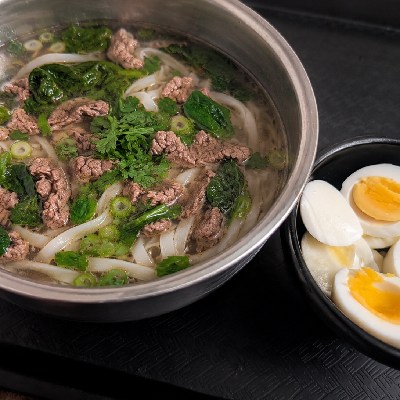
Beef Pho made with thinly sliced seared steak, fresh baby spinach, green onions, cilantro, chili pepper, and a package of VIFON Pho Bo.
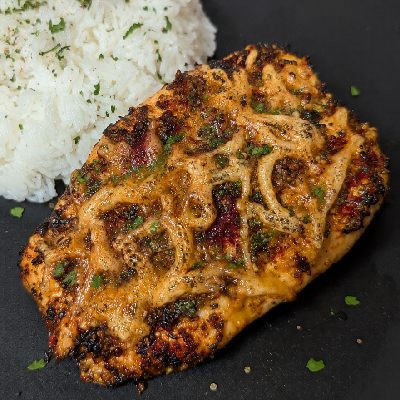
Air-fried salmon fillet coated with chili crisp oil, then topped with salt-free garlic herb seasoning and shredded cheese.
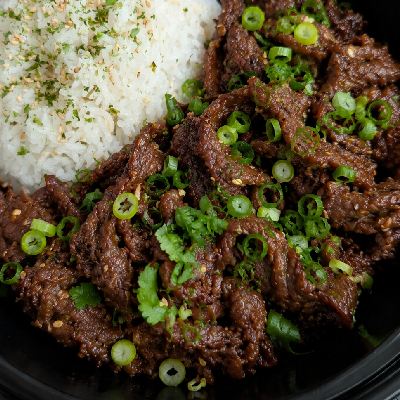
Teriyaki beef made with thinly sliced pan-fried steak marinated in Veri Veri Teriyaki sauce and chili crisp oil, then topped with green onions and cilantro.
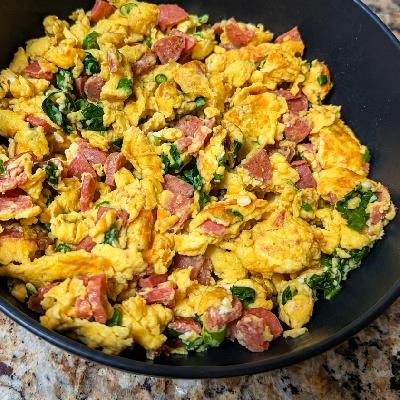
Scrambled eggs made with chopped chicken frank, green onions, cilantro, and chili pepper.
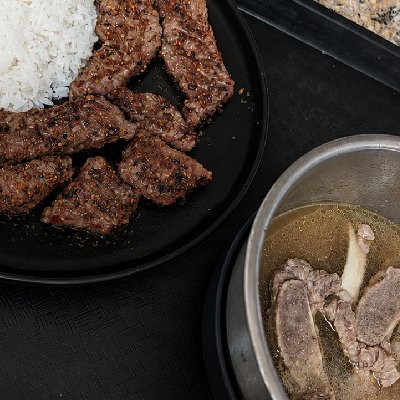
Beef rib, trimmed and lightly seasoned, with the meaty bones cooked in beef broth.
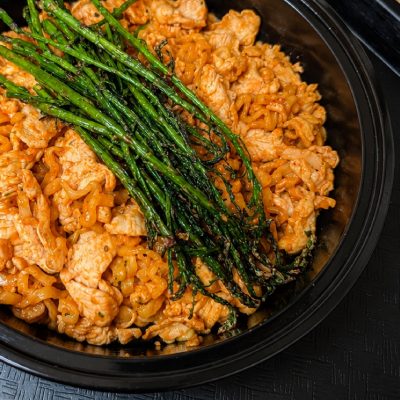
Pan fried thinly sliced chicken breast made with Buldak spicy ramen and topped with asparagus lightly seasoned with garlic salt and herbs.
Here’s what I eat most days in one form or another.
Protein: Eggs, beef, chicken, and salmon.
Carbohydrates: Spinach, rice, and noodles.
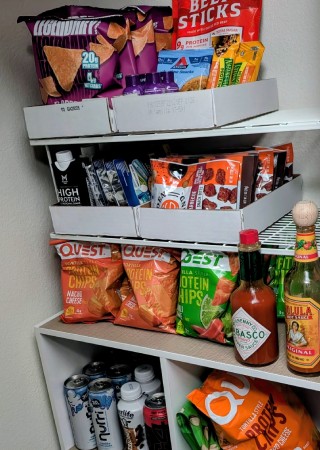
Snacks: I look for high-protein alternatives to the snacks I already like.
Seasoning: Monk fruit with allulose (sugar alternative), and umami seasoning (salt alternative).
Protein Snacks
Diet Plan
I’ve realized that what I eat is just as important, if not more important, than working out. If I’m going to put in the effort to train for the results I want, I need to put that same effort into my diet.
I keep my approach straightforward and stick to a few basic guidelines: smaller portions of carbs, larger portions of protein, and cutting out sugary foods, mainly those with added sugars.
I eat meals and snack throughout the day. I never force myself to eat or try to bulk. I keep it simple, track nothing, and let my body tell me when it’s hungry or when it’s too full.
I also don’t meal prep for days at a time. The only thing I consistently prepare ahead is breakfast, which I’ll put together the night before so I can take it to work. Most of the time, I cook my meals fresh and eat them right away.
A protein heavy diet can cost more upfront, but I offset a lot of that by cooking at home more and eating out less.
Beef Pho made with thinly sliced seared steak, fresh baby spinach, green onions, cilantro, chili pepper, and a package of VIFON Pho Bo.
Air-fried salmon fillet coated with chili crisp oil, then topped with salt-free garlic herb seasoning and shredded cheese.
Teriyaki beef made with thinly sliced pan-fried steak marinated in Veri Veri Teriyaki sauce and chili crisp oil, then topped with green onions and cilantro.
Scrambled eggs made with chopped chicken frank, green onions, cilantro, and chili pepper.
Beef rib, trimmed and lightly seasoned, with the meaty bones cooked in beef broth.
Pan fried thinly sliced chicken breast made with Buldak spicy ramen and topped with asparagus lightly seasoned with garlic salt and herbs.
Here’s what I eat most days in one form or another.
Protein: Eggs, beef, chicken, and salmon.
Carbohydrates: Spinach, rice, and noodles.
Snacks: I look for high-protein alternatives to the snacks I already like.
Seasoning: Monk fruit with allulose (sugar alternative), and umami seasoning (salt alternative).
Protein Snacks